

10 Interesting Facts About Intel
Intel is one of the most well-known tech companies in the world. From pioneering advances in computing to shaping the future of technology, Intel’s impact is undeniable. Here are ten interesting facts about Intel that showcase its significance and contributions to the tech industry.
Table of Contents
1. Founding Story
Intel was founded in 1968 by Robert Noyce and Gordon Moore. These two visionaries left Fairchild Semiconductor to start their own company. Their goal was to push the boundaries of semiconductor technology. Interestingly, the name “Intel” is short for “Integrated Electronics.”
2. The Birth of the Microprocessor
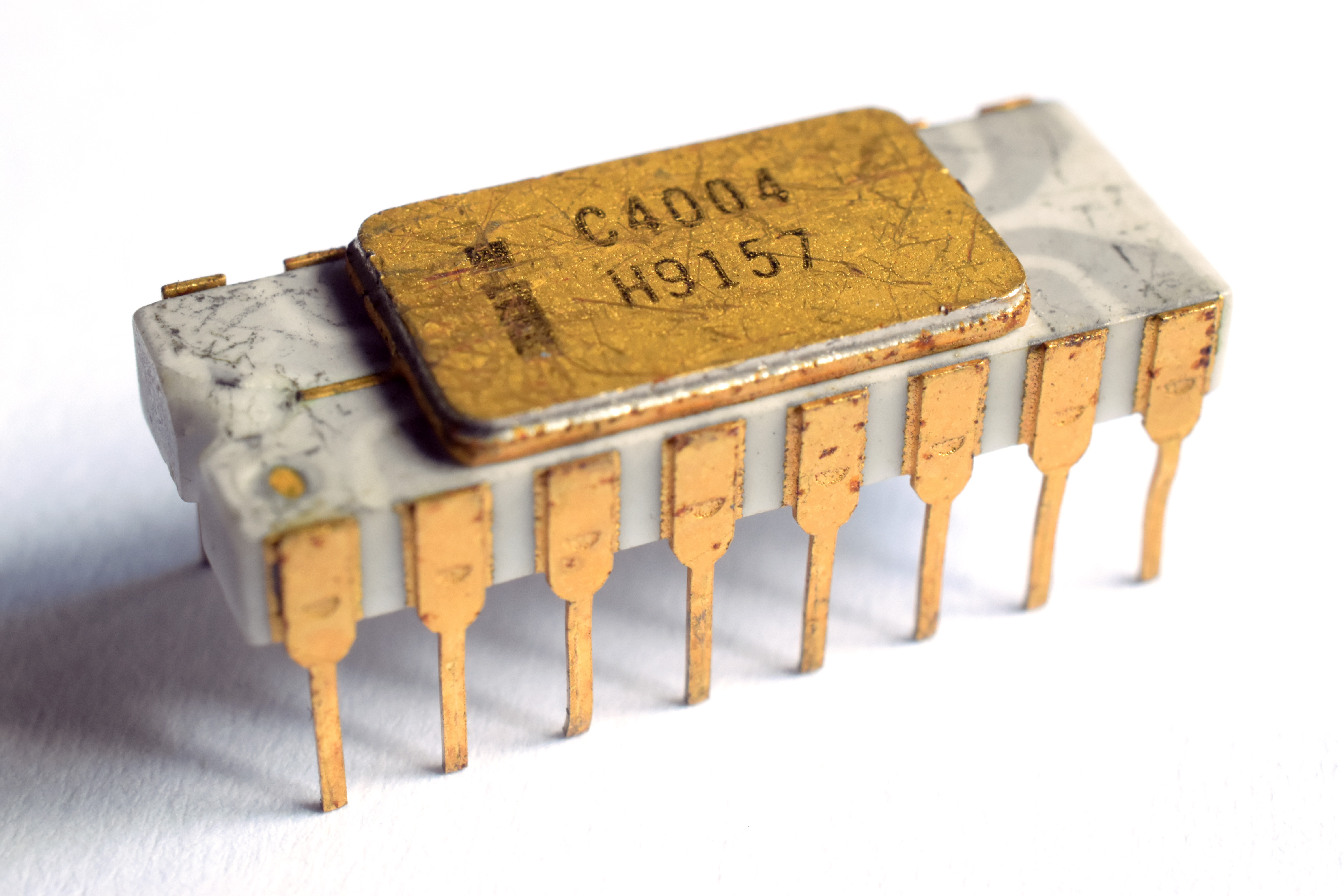
In 1971, Intel introduced the world’s first microprocessor, the Intel 4004. This chip had a huge impact on the tech world. It transformed computers from room-sized machines to more compact and affordable devices. This innovation laid the foundation for the personal computer revolution.
3. Moore’s Law
Gordon Moore, co-founder of Intel, made a famous prediction in 1965. He stated that the number of transistors on a microchip would double approximately every two years. This prediction, known as Moore’s Law, has guided the semiconductor industry for decades. It highlights Intel’s ongoing commitment to innovation.
4. Leading in Semiconductor Manufacturing
Intel is a leader in semiconductor manufacturing. The company consistently produces cutting-edge chips that power a wide range of devices. From laptops to servers, Intel’s chips are at the heart of many tech products. Their advanced manufacturing techniques ensure they stay ahead in the industry.

5. Dominance in the PC Market
Intel has long been a dominant force in the PC market. Its processors, like the Core i3, i5, i7, and i9, are widely used in personal computers. Many consumers prefer Intel processors for their reliability and performance. This dominance has helped Intel maintain a strong market presence.

6. Innovations in AI and Machine Learning
Intel is making significant strides in artificial intelligence (AI) and machine learning. Their processors and specialized hardware, like the Intel Nervana Neural Network Processor, are designed to handle AI workloads. This focus on AI is driving advancements in various fields, including healthcare, automotive, and finance.
7. Investment in Renewable Energy
Intel is committed to sustainability and renewable energy. The company has been a top purchaser of green power in the United States for several years. Intel’s facilities worldwide are powered by a significant percentage of renewable energy. This commitment reduces their carbon footprint and promotes environmental responsibility.
8. Research and Development Leadership
Intel invests heavily in research and development (R&D). Each year, the company spends billions of dollars on R&D to stay at the forefront of technological innovation. This investment supports the development of new products and technologies that drive the tech industry forward.

9. Diverse Product Portfolio
While Intel is best known for its processors, the company’s product portfolio is diverse. They produce memory products, network solutions, and software, among other things. This diversification helps Intel remain resilient in a fast-changing tech landscape.
10. Strong Corporate Culture
Intel’s corporate culture is known for fostering innovation and excellence. The company encourages employees to take risks and pursue new ideas. This culture of innovation has been crucial to Intel’s success over the years. It attracts top talent and drives the company’s continuous growth.
FAQs about Intel
What does Intel do?
Intel designs and manufactures microprocessors and other semiconductor components. They also produce a range of products including memory, networking, and software solutions.
When was Intel founded?
Intel was founded on July 18, 1968.
Who founded Intel?
Intel was founded by Robert Noyce and Gordon Moore.
What is Moore’s Law?
Moore’s Law is the observation that the number of transistors on a microchip doubles approximately every two years. This prediction was made by Gordon Moore, one of Intel’s co-founders.
What was Intel’s first product?
Intel’s first product was the 3101 Schottky bipolar random-access memory (RAM) chip, released in 1969.
What is Intel’s most famous product?
Intel is best known for its microprocessors, especially the Intel Core series used in many personal computers.
How does Intel contribute to AI?
Intel produces processors and specialized hardware, such as the Intel Nervana Neural Network Processor, designed for AI and machine learning applications.
Is Intel involved in sustainability?
Yes, Intel is highly committed to sustainability and uses a significant amount of renewable energy to power its facilities.
How much does Intel invest in R&D?
Intel invests billions of dollars annually in research and development to drive innovation and stay competitive.
What industries does Intel serve?
Intel serves a variety of industries including consumer electronics, automotive, healthcare, and finance with its wide range of products and technologies.
Intel’s journey from a small startup to a tech giant is truly remarkable. With a strong focus on innovation, sustainability, and research, Intel continues to shape the future of technology. Whether it’s through their pioneering microprocessors or advancements in AI, Intel remains at the cutting edge of the tech world.


Leave a Reply to AMD’: 10 Exciting Facts You Need to Know – FindTekCancel reply