
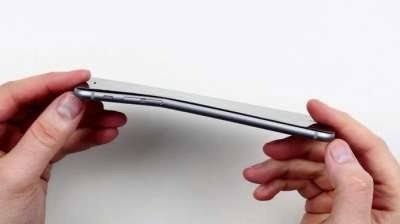
iPhone 6 Bendgate: A Detailed Look
When Apple released the iPhone 6 and iPhone 6 Plus in September 2014, excitement was high. However, this excitement quickly turned into controversy. Users began to report that their new devices were bending in their pockets. This issue, now famously known as “Bendgate,” became a significant moment in tech history.
What Is Bendgate?
Bendgate refers to the phenomenon where the iPhone 6 and iPhone 6 Plus bent under pressure. Many users discovered that their phones would bend when carried in tight pockets or exposed to minimal force. This problem sparked widespread media coverage and user concern.
How Did Bendgate Start?
Shortly after the release of the iPhone 6 and iPhone 6 Plus, early adopters noticed the bending issue. One of the first major reports came from a user who posted photos of a bent iPhone on social media. This quickly gained attention. Soon, more users reported similar experiences. Tech reviewers and enthusiasts started testing the devices, finding that they could be bent with relatively little force.
Why Did the iPhone 6 Bend?
The bending issue was mainly due to the phone’s design. The iPhone 6 and iPhone 6 Plus were Apple’s thinnest phones at the time. They featured an aluminum body, which, while lightweight and sleek, was not as sturdy as previous materials used. Additionally, the placement of buttons and other structural weak points contributed to the problem. When pressure was applied to certain areas, the phones were more likely to bend.
Apple’s Response
At first, Apple did not acknowledge the issue publicly. They stated that the cases of bending were extremely rare. The company claimed that under normal use, the phones would not bend. Apple also emphasized the rigorous testing their devices undergo before release. However, as complaints continued to grow, Apple allowed affected customers to replace their bent phones.

Media and Public Reaction
Bendgate quickly became a viral topic. The media coverage was extensive, with many tech blogs, news outlets, and social media platforms discussing the issue. Some users posted videos of themselves bending their iPhones to demonstrate the problem. This only fueled the controversy.
Impact on Apple’s Reputation
Bendgate had a noticeable impact on Apple’s reputation. The company, known for its high-quality products and robust designs, faced significant criticism. Competitors also seized the opportunity to mock Apple. Despite this, the iPhone 6 and iPhone 6 Plus were still highly successful in terms of sales. However, Bendgate became a talking point whenever the durability of iPhones was discussed.
Lessons Learned
Bendgate taught valuable lessons to both consumers and manufacturers. For Apple, it highlighted the importance of structural integrity in design. Future iPhone models incorporated stronger materials and improved designs to prevent similar issues. For consumers, it served as a reminder to consider durability when purchasing new tech devices.
The Bend Test
In the wake of Bendgate, the “bend test” became a popular method for testing phone durability. Tech reviewers and users started bending phones to see how much pressure they could withstand. This trend emphasized the importance of strong, resilient designs in modern smartphones.
How Apple Addressed the Issue in Future Models
After Bendgate, Apple made significant changes to its design and manufacturing processes. The iPhone 6s and later models featured a stronger aluminum alloy, known as 7000 series aluminum. This material provided better resistance to bending and other forms of physical stress. Additionally, Apple reinforced weak points in the phone’s structure, making them more durable.

The Legacy of Bendgate
Though Bendgate was a challenging time for Apple, it also led to positive changes. The controversy pushed the company to innovate and improve their products’ durability. Consumers, on the other hand, became more aware of the importance of device sturdiness. Bendgate remains a significant event in the history of smartphones, often referenced when discussing phone durability.
Frequently Asked Questions (FAQ)
Bendgate refers to the bending issues reported by users of the iPhone 6 and iPhone 6 Plus. These devices were found to bend under relatively low pressure, sparking widespread concern and media coverage.
The iPhone 6 and iPhone 6 Plus had a thin design and were made from aluminum, which is less sturdy than other materials. Certain design elements and structural weak points made them more prone to bending under pressure.
Initially, Apple stated that the bending incidents were rare and that the phones underwent rigorous testing. As complaints grew, Apple allowed customers with bent phones to get replacements.
After Bendgate, Apple used a stronger aluminum alloy (7000 series aluminum) in the iPhone 6s and later models. They also reinforced structural weak points to improve durability.
Despite the controversy, the iPhone 6 and iPhone 6 Plus were very successful in terms of sales. However, Bendgate did impact Apple’s reputation regarding the durability of their devices.
To prevent bending, avoid keeping your phone in tight pockets or applying excessive pressure to it. Using a sturdy case can also help protect your device from bending and other forms of damage.
Apple addressed the bending issue in subsequent models by using stronger materials and reinforcing the phone’s structure. Newer iPhones are less likely to bend compared to the iPhone 6 and iPhone 6 Plus.
A bend test is a method used to assess a phone’s durability by applying pressure to see how much it can withstand before bending. This test became popular after Bendgate to evaluate the structural integrity of smartphones.
If your phone bends, check if it is still under warranty. Contact the manufacturer for a possible replacement or repair. Using a case and being mindful of how you carry your phone can help prevent future bending.
Bendgate was a memorable event in the tech world. It highlighted the importance of durability in smartphone design. Despite the controversy, it led to improvements in how phones are made today. Apple and other manufacturers learned valuable lessons, ensuring better products for consumers.


Leave a Reply