
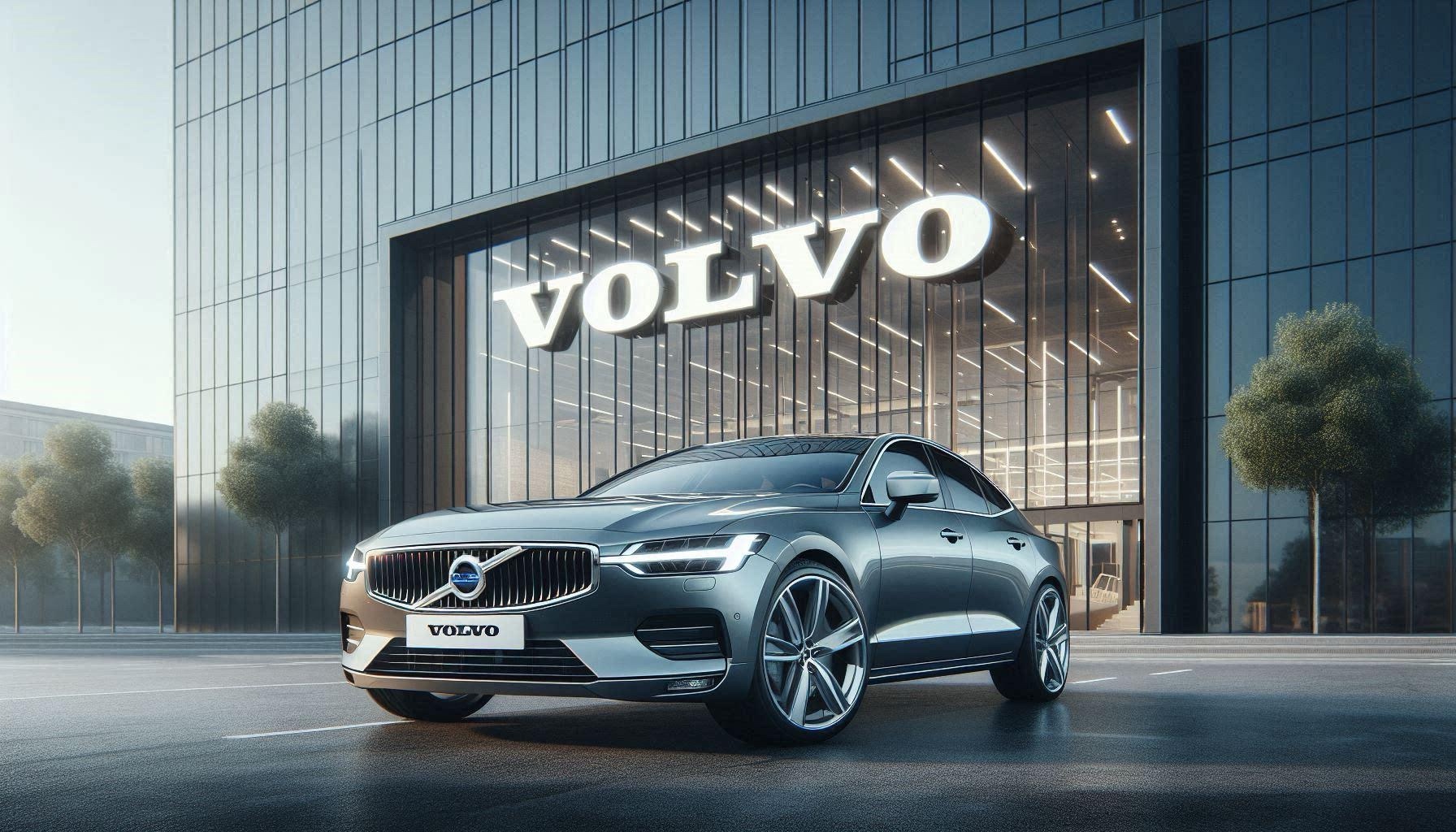
11 Interesting Facts About Volvo
Volvo is a name synonymous with safety, reliability, and innovation in the automobile industry. Over the decades, this Swedish company has made significant strides, leaving an indelible mark on the global market. Here are ten fascinating facts about Volvo that highlight its legacy and achievements.
1. Pioneers of Car Safety
Volvo has always prioritized safety. In 1959, Volvo engineer Nils Bohlin invented the three-point seatbelt. This revolutionary design has saved countless lives since its inception. Remarkably, the patent was made open by Volvo, allowing other manufacturers to use it. This decision emphasized the company’s commitment to safety over profit.

2. First to Introduce Rear-Facing Child Seats
In 1972, Volvo introduced the world’s first rear-facing child seat. Inspired by astronaut seating positions, this design aimed to reduce injuries during collisions. Furthermore, Volvo continues to innovate in child safety, making it a top choice for families.
3. Known for Long-Lasting Vehicles
Volvo cars are renowned for their durability. Many Volvo owners report their vehicles lasting over 200,000 miles. Some even reach the million-mile mark. This longevity reflects Volvo’s commitment to quality and engineering excellence.

4. Environmentally Conscious
Volvo has always been forward-thinking about the environment. In 1976, the Lambda Sond, a catalytic converter that reduces harmful emissions, was introduced by Volvo. More recently, the company committed to producing only electric cars by 2030. This shift underscores their dedication to sustainability and reducing carbon footprints.
5. Unique Naming Conventions
Volvo uses unique naming conventions for their cars. The letters and numbers in a model’s name denote its type and size. For example, the “XC” in XC90 stands for “Cross Country,” indicating an SUV. This system helps customers easily identify the type of vehicle they are considering.

6. High Standards of Production
Every Volvo car is a product of meticulous craftsmanship. The company’s main production facility in Gothenburg, Sweden, is a testament to high standards. It’s not just a factory; it’s a place where precision and care meet advanced technology. Each car undergoes rigorous testing to ensure it meets Volvo’s safety and quality benchmarks.
7. Innovations in Autonomous Driving
Volvo is a leader in autonomous driving technology. The company’s Pilot Assist system offers semi-autonomous driving on highways. It keeps the car within lane markings and maintains a set speed and distance from other vehicles. Volvo aims to make fully autonomous cars a reality in the near future.
8. Beyond Cars: A Truck and Bus Powerhouse
While Volvo is best known for its cars, it also excels in the truck and bus industry. Volvo trucks stand out for their toughness and reliability, making them ideal for hauling heavy cargo. Moreover, Volvo buses feature advanced safety measures and comfortable interiors, making them a preferred choice for public transportation. This diversification highlights Volvo’s versatility and engineering prowess across different vehicle types.


9. Strong Presence in Motorsports
Volvo has a rich history in motorsports. The company has competed in various racing events, including the European Touring Car Championship. Moreover, Volvo’s performance division, Polestar, also plays a significant role. Polestar develops high-performance versions of Volvo cars, combining speed with safety.

10. A Change in Ownership: From Sweden to China
Volvo Cars went through a period of ownership changes. Originally a part of the larger AB Volvo group, the car division was sold to Ford Motor Company in 1999. In 2010, Ford sold Volvo Cars to Geely, a Chinese automotive company. Despite the change in ownership, Volvo retains its Swedish identity and commitment to safety and innovation.
11. Laminated Windshields: A Simple Idea with Big Benefits
Another safety innovation from Volvo is the laminated windshield. Introduced in 1944, this windshield uses two layers of glass with a plastic layer in between. In a collision, the glass cracks but doesn’t shatter, reducing the risk of serious injuries from flying glass.

FAQ Section
Volvo is a Swedish company. It was founded in Gothenburg, Sweden, in 1927.
Yes, Volvo cars are renowned for their safety. The company has pioneered many safety innovations, including the three-point seatbelt.
Yes, Volvo produces electric cars. The Volvo XC40 Recharge is their first fully electric SUV. By 2030, Volvo plans to only produce electric vehicles.
The name “Volvo” is derived from the Latin word “volvere,” which means “to roll.” It signifies the company’s focus on movement and transportation.
Volvo cars are known for their durability. Many can last over 200,000 miles with proper maintenance.
Volvo Cars is owned by the Chinese company Geely Holding Group. However, Volvo operates independently and maintains its Swedish heritage.
Polestar is Volvo’s performance division. It develops high-performance versions of Volvo cars and focuses on electric vehicle innovation.
Yes, Volvo has a strong commitment to sustainability. The company is shifting towards electric vehicles and aims to be fully electric by 2030.
Yes, Volvo has developed semi-autonomous driving features. Their Pilot Assist system helps with lane-keeping and maintaining safe distances on highways.
Volvo cars use a combination of letters and numbers to denote their type and size. For example, “XC” stands for “Cross Country,” indicating an SUV.
Volvo continues to be a leader in the automotive industry. Their dedication to safety, innovation, and sustainability sets them apart. With a rich history and a clear vision for the future, Volvo remains a brand to watch.


Leave a Reply