
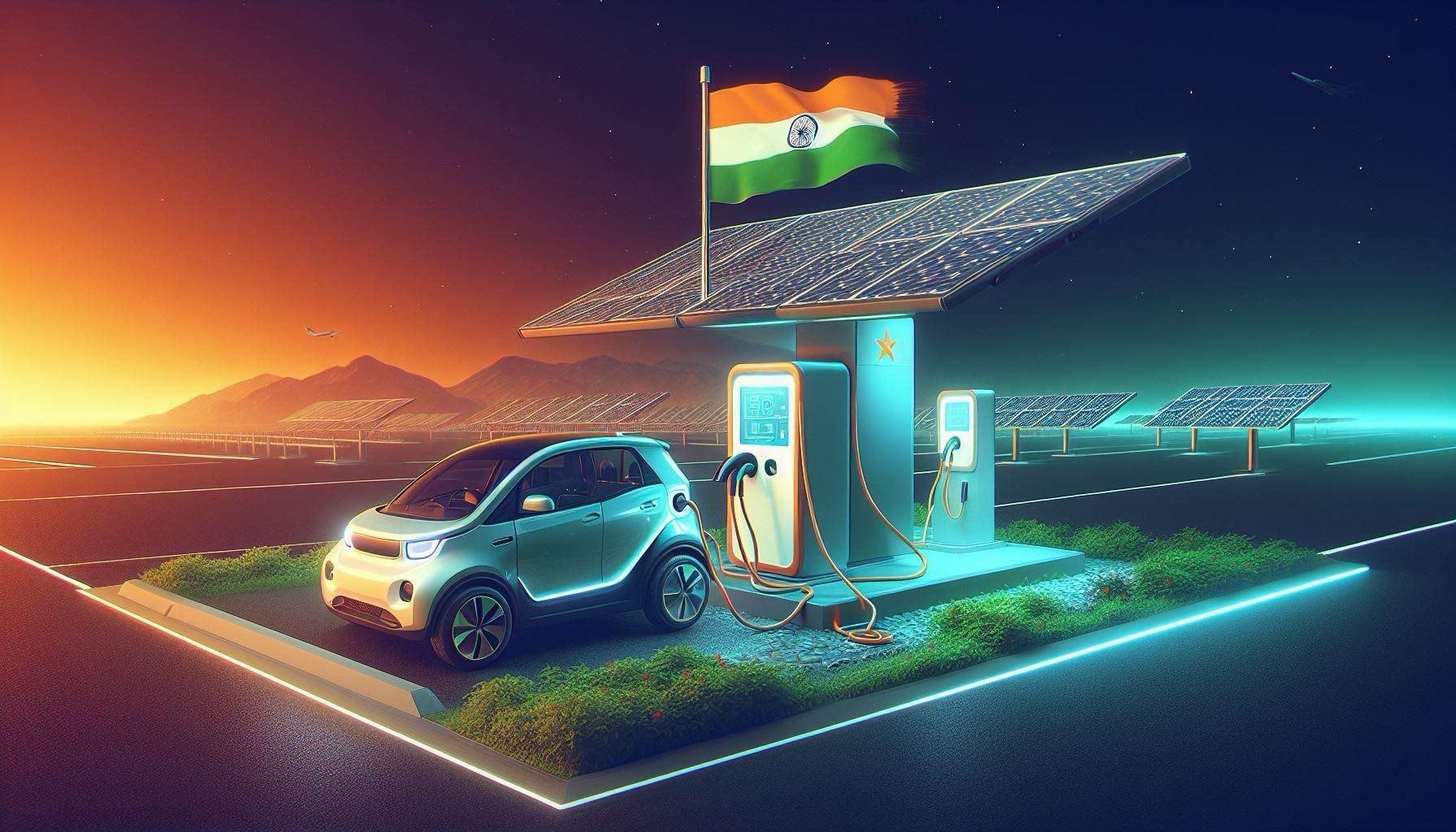
India Shifts Gears: A Look at the New Electric Vehicle Policy
India is stepping on the gas pedal when it comes to electric vehicles (EVs). The government recently unveiled a new policy aimed at revving up the EV industry. This policy has the potential to be a game-changer, not only for India’s transportation sector but also for the environment.
Why Electric Vehicles?
Before we dive into the specifics of the policy, let’s talk about why EVs are such a big deal. Traditional gasoline-powered vehicles contribute significantly to air pollution, a major concern in many Indian cities. EVs, on the other hand, produce zero tailpipe emissions, offering a cleaner alternative. Additionally, EVs are quieter and more efficient, translating to lower fuel costs for consumers.
The New EV Policy: Making EVs More Appealing
The new policy offers a multi-pronged approach to boosting EV adoption. Here are some key highlights:
- Tax Cuts for Manufacturers: Setting up a local EV manufacturing base is a priority. The policy offers tax breaks to companies that invest in building EV production facilities in India. This not only reduces costs for manufacturers but also creates jobs and boosts the domestic economy.
- Conditional Import Duty Relief: The policy acknowledges that India might not yet have all the EV technology readily available. To bridge this gap, the government is offering a temporary reprieve on import duties for EVs. However, there’s a string attached: this benefit is only available to manufacturers who pledge to set up production in India within a specified timeframe. This incentivizes a smooth transition towards domestic manufacturing.
- A Focus on High-Tech EVs: The policy isn’t just about getting more EVs on the road. It also aims to attract companies that manufacture high-end EVs with advanced technology. This will not only benefit Indian consumers but also position India as a hub for cutting-edge EV production.
- Encouraging Investment: The government is offering financial incentives to attract both domestic and foreign investment in the EV sector. This additional funding will be crucial for research and development, as well as for setting up the necessary infrastructure, like charging stations.

Benefits Beyond the Environment
The new policy has the potential to create a ripple effect with benefits extending far beyond environmental improvements. Here’s a glimpse of what we can expect:
- Job Creation: The EV industry is expected to generate a significant number of new jobs, from manufacturing and engineering to sales and service. This is a welcome boost for the Indian economy, especially for skilled workers.
- Reduced Dependence on Oil Imports: India currently imports a large portion of its oil needs. Increased adoption of EVs will help reduce this dependence, making the country more energy-independent and less susceptible to fluctuations in global oil prices.
- Technological Advancement: The focus on attracting high-tech EV companies will expose India to cutting-edge technologies. This can benefit other sectors as well, fostering innovation and propelling India’s technological development.
Challenges on the Road Ahead
While the new policy is a positive step, there are still challenges to overcome. Here are a few to consider:
- Developing Charging Infrastructure: A robust network of charging stations is essential for widespread EV adoption. Efforts need to be made to create a convenient and reliable charging network across the country.
- Battery Costs: Battery technology is constantly evolving, but currently, battery packs are a significant cost factor for EVs. Continued research and development are needed to bring down battery costs and make EVs more affordable for a wider range of consumers.
- Consumer Awareness: Many people might still be unfamiliar with EVs or have concerns about range and charging. Public awareness campaigns can help educate consumers about the benefits of EVs and address their concerns.
India’s EV Revolution: A Work in Progress
The new EV policy is a significant step towards a cleaner and more sustainable transportation future for India. By addressing the challenges and capitalizing on the opportunities, India can position itself as a leader in the global EV revolution. This shift towards electric mobility promises not only environmental benefits but also economic growth and technological advancement. The road ahead might have its bumps, but with the right approach, India can ensure a smooth ride towards an electric future.


Leave a Reply